Why entertainment-first ads are working
People don't stop for ads. They stop for things that feel like content: a song that gets stuck in their head, a cliffhanger, a character they already know. Trending formats borrow that and write the product into the story.
There's a second reason. Meta now rewards creative diversity (here's how Andromeda works). A singing ad and a creator testimonial for the same product look nothing alike to Meta, so they reach different people. AI animation makes it cheap to try formats a camera crew could never afford to test.
The formats we're testing right now
Singing ads
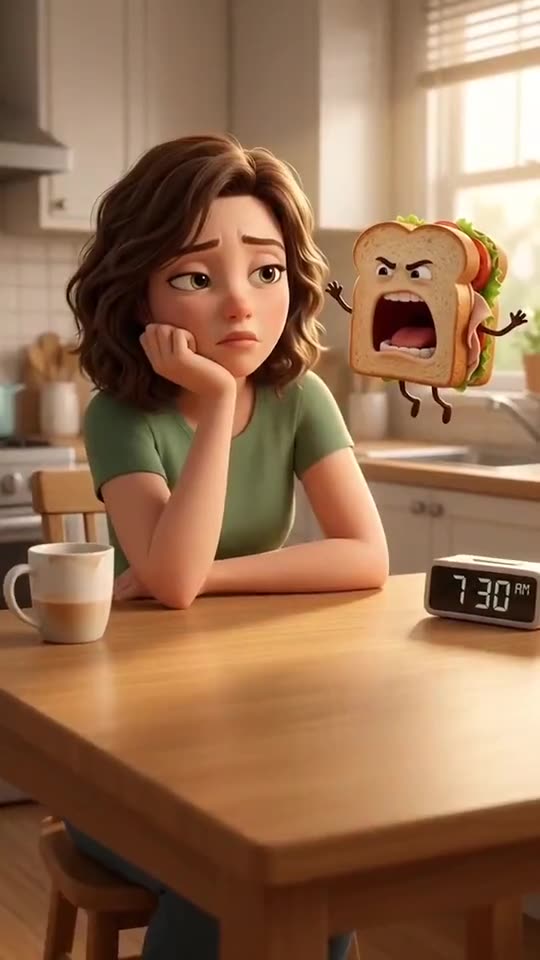
An original song with the product as the hook. It's written around your number one benefit and is catchy enough to get stuck in heads. For The Absorption Company we made "The food noise song": a woman in her kitchen while cartoon foods sing in her head, until the product turns the volume down.
Drama ads
Soap-opera tension, plot twists and a cliffhanger that holds attention all the way to the reveal: your product. They work best when the product solves a moment of real conflict.
Sitcom ads
Recurring characters, a familiar set and a running joke. Each ad is a new episode, and your product is part of the cast. People who liked episode one are already warmed up for episode two.
Hybrid ads
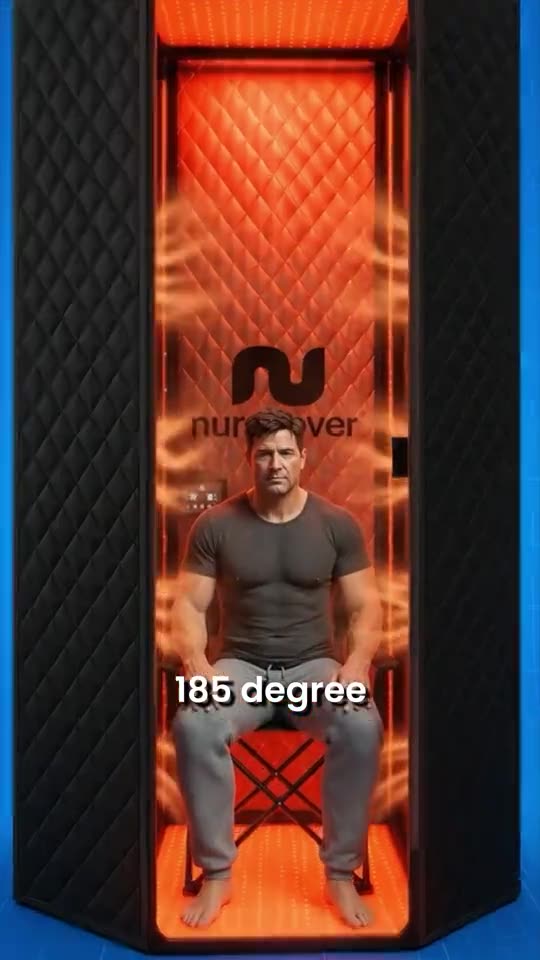
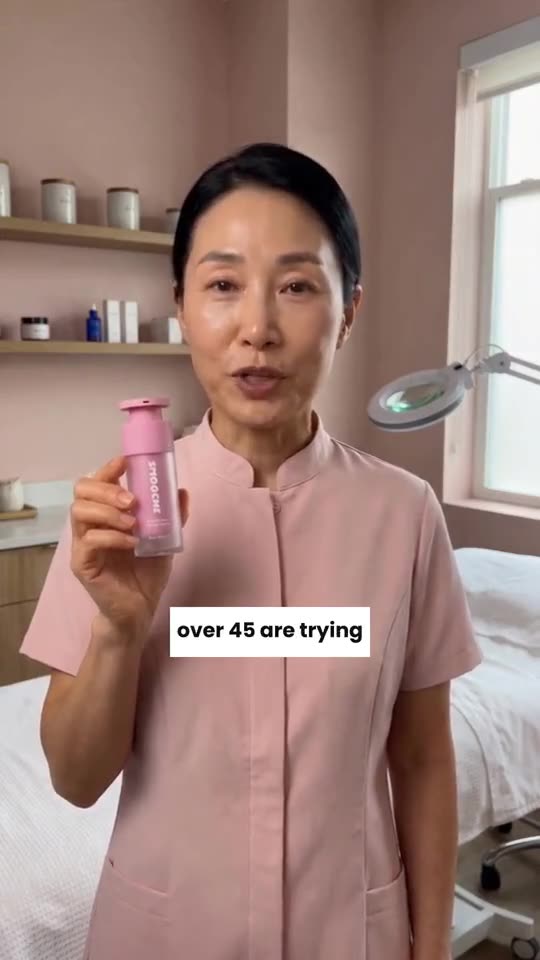
Animation blended with real creator footage, product shots or statics. You get the trust of a real person with the stopping power of animation.
Mascots and explainers
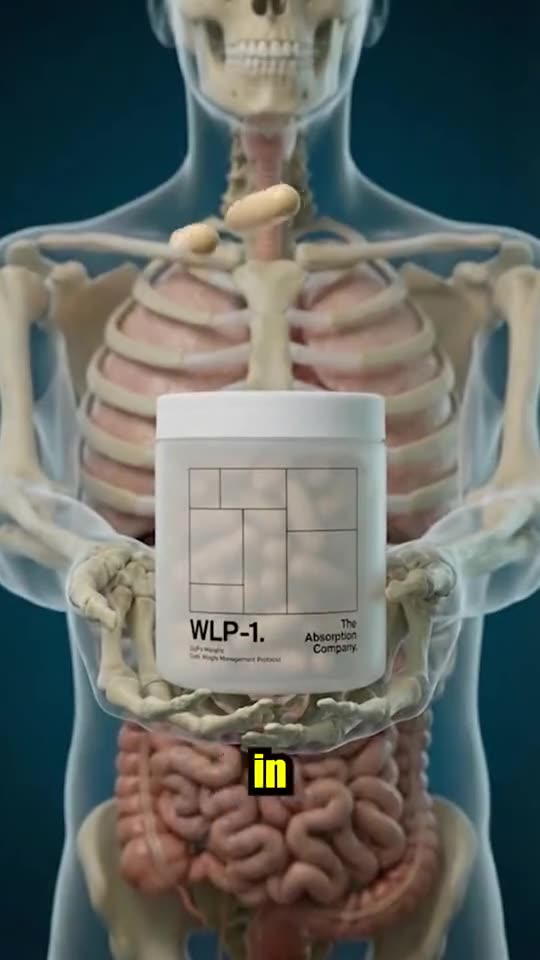
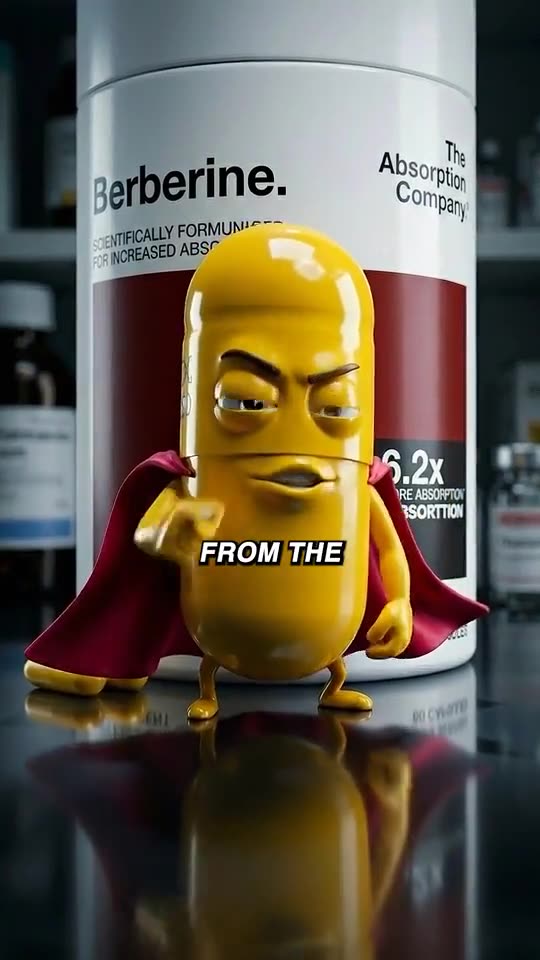
The evergreen formats. A product-hero mascot (like our caped berberine capsule) or an inside-the-body explainer (like an x-ray view of a capsule dissolving) shows what a product does in a way a camera can't.
How to pick your first format
| If your product | Start with |
|---|---|
| Works inside the body (supplements) | A mechanism explainer or mascot |
| Fits a daily ritual or moment | A sitcom ad |
| Fixes a frustrating problem | A drama ad |
| Has one simple benefit people can sing | A singing ad |
| Already has winning creator ads | A hybrid ad that remixes the winner |
How we make one
- Start from data. Use the angle that's already selling, or one your competitors haven't touched.
- Write the script first. The story and the claim come before any visuals.
- Generate, then finish by hand. AI video models make the scenes. A human editor handles timing, captions, sound and product shots.
- Check every claim. Animation doesn't make a claim safer. Supplement claims still need support.
- Launch it as a new concept, not a variation, and judge it on cost per purchase.
When AI animation is the wrong choice
When buyers need to see a real person use the product before they trust it: skincare texture, fit, taste reactions. Lead with creator UGC there, and use animation for the explainer or a hybrid.
The bottom line
The feed rewards ads that feel like entertainment and look different from everything else you run. AI animation lets you test those formats fast. Pick the one that fits your product, make the product the hero of the story, and let cost per purchase decide what you make next.