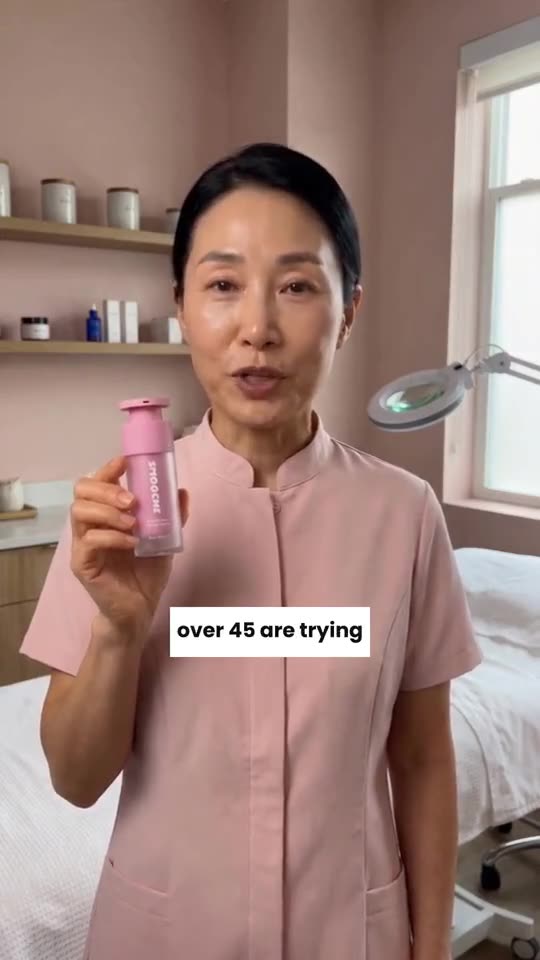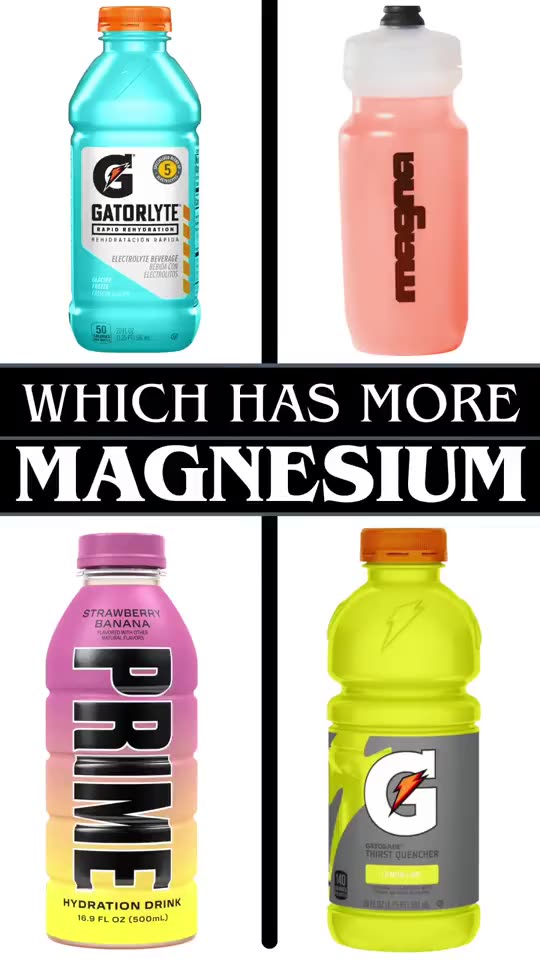
Looking for an AI video ads agency? You are not alone. A lot of brands we talk to already have a creative team. The team is good. It just cannot make enough new ads to keep Meta fed. So they want a partner who can ship more AI video ideas, faster, without hiring five more people.
This guide covers what an AI video ads agency does, when it beats a freelancer or a DIY tool, what to ask before you hire one, and how to get your first batch live.
What does an AI video ads agency do?
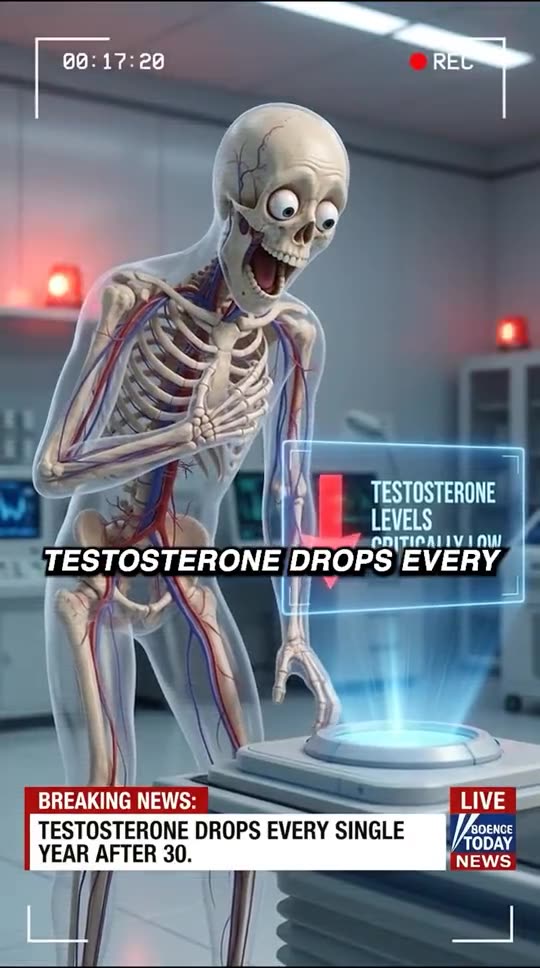
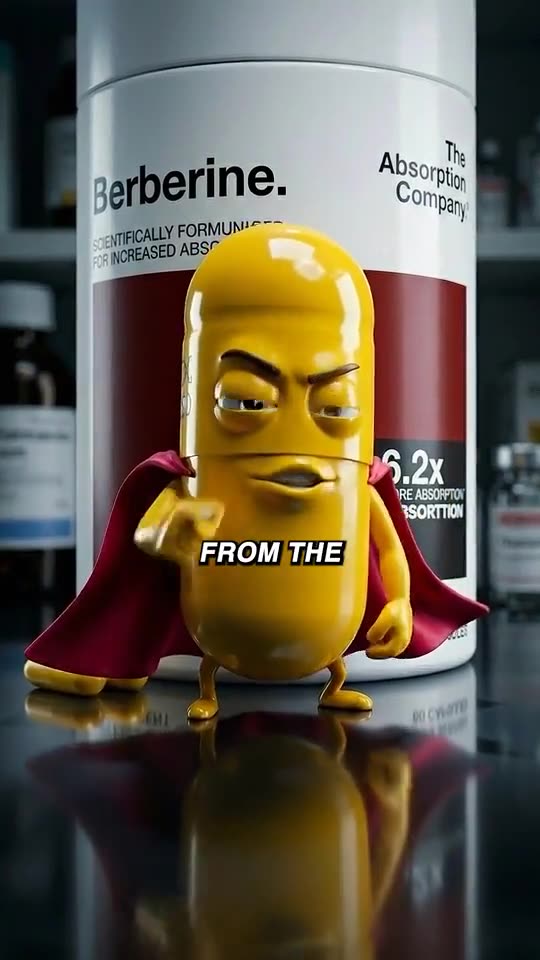
An AI video ads agency makes video ads where the people, places and props are made with AI tools. Think animated characters, talking products, a fake news desk, or a tour inside the body. No camera crew. No actors. No shipping product to creators.
But the AI is only the paint. The real work is the same as any good ad shop:
- Strategy. Find the angle: the pain, the promise and the person who buys.
- Scripts. Write a hook that stops the scroll in the first two seconds.
- Production. Build the scenes, voice, music and captions.
- Variations. Make a few versions of each idea so you can test hooks, not just whole ads.
- Learning. Read the results and make the next batch smarter.
If an agency only talks about which AI model it uses, be careful. The model is not the moat. The ideas are.
Why are brands hiring AI video ad agencies now?
AI ad tools are everywhere now. Meta said more than 8 million advertisers use at least one of its AI ad creative tools, up from 4 million at the end of 2024, according to PPC Land's report on Meta's Q1 2026 earnings.
So why hire anyone? Because when everyone has the same tools, the tools stop being the edge. Most AI ads look the same. Same smooth faces. Same stock voice. Same "did you know" hook. Shoppers scroll past them.
The brands we talk to tend to hit one of three walls:
- Volume. The in-house team can make a few great ads a month. Meta wants many more new ideas than that.
- Range. The team is great at one style. They need new formats to reach new buyers.
- Speed. A shoot takes weeks. An AI concept can go from script to ad much faster.
AI makes ads cheap to produce. It does not make good ideas cheap. That is what you are paying an agency for.
AI video ads agency vs freelancer vs DIY tool
When you search for help, you will see three kinds of results: agencies, freelancers on marketplaces, and self-serve AI ad tools. Each one fits a different need.
| Option | Best for | Watch out for |
|---|---|---|
| DIY AI ad tool | Quick product clips and resizing ads you already have | Ads look like everyone else's. You still write every idea. |
| Freelancer | One-off videos when you already know the script | Usually no strategy, no testing plan and limited capacity. |
| AI video ads agency | A steady flow of new concepts tied to your numbers | Costs more per month. Pick one that shows live ads, not demos. |
If you spend real money on Meta every month, the agency route usually wins. You need a system, not a single video.
What should you ask an AI video ads agency before you hire them?
Here are the questions we would ask if we were in your seat:
- Can I see live ads that spent real money? Demo reels are easy. Ads that ran at scale are proof.
- How many new concepts do you ship each month? Get a number in writing. We aim for 25+ new concepts a month for a brand.
- What counts as a concept? Ask how many hook or edit variations come with each one.
- How do you keep the product accurate? AI can bend a label or invent a feature. Someone needs to check every frame.
- How do you handle claims? Health, beauty and money claims need care. Ask who reviews scripts before they ship.
- Who owns the files? You should own the final ads and the project files.
- How do you pick the next batch? The answer should start with your ad data, not their taste.
Want more on picking a partner? Read our guide on how to choose a Meta ads creative agency.
What kinds of AI video ads work best?
The best AI ads do something a camera cannot. That is the whole point. A few styles we make often:
- Character ads. The ingredient or product becomes a hero with a face and a voice.
- Inside-the-body ads. Show what happens after you take it, step by step.
- News and parody ads. A familiar format with a twist that makes people stop.
- Singing ads. A catchy song about the problem your product solves.
- Short story ads. A tiny drama where the product shows up as the fix.
We break these down in more detail in our post on AI animation ad formats.
Should AI video replace your UGC?
No. Use both. Real creators bring trust. AI brings range and speed. They reach different people, and Meta rewards a mix of different ideas.
A simple way to split it: let AI ads open the door with big, fun ideas. Let real creators close the sale with proof and real faces. If you want help on the creator side, see our Trybe creator management service.
How to get your first AI video ads live
- Share your data. Give the agency view access to your ad account on day one, so they can see what already works.
- Hand over the basics. Product shots, claims you can make, claims you cannot, reviews and your best and worst ads.
- Agree on volume and timing. How many concepts, how many variations, and when each batch lands.
- Test with real spend. Give each concept enough budget to get a fair read.
- Review together. Look at the hook, hold and click for each ad, then plan the next batch from what you learn.
The bottom line
An AI video ads agency is worth it when your team cannot make enough new ideas to keep up with Meta. Hire for ideas and testing, not for the tools. Ask for live ads, a clear monthly concept count and a plan for checking every claim. Then mix AI ads with real creators so you reach more buyers.
Want to see what this looks like for your brand? Check out our AI animation ads agency page or browse our work.